




Blog
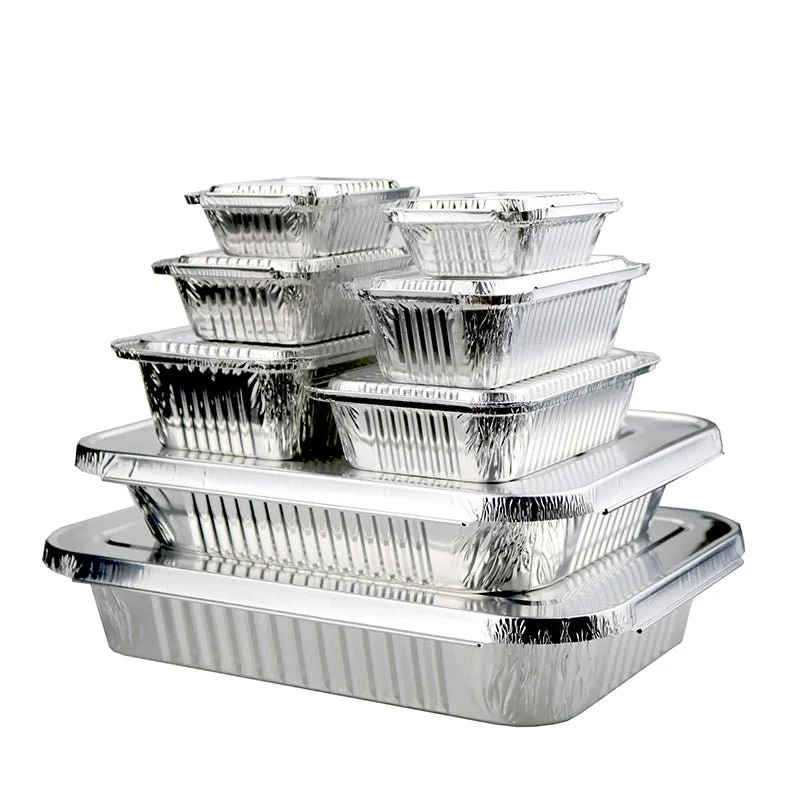
Aluminum Foil Pans: Every Size, Gauge & Use Explained (With Buying Tips)
Choosing the right aluminum foil pan sizes for your foodservice operation isn’t just about fitting pans into your steam table — it’s about portion control, food quality, cost efficiency, and presentation. Whether you’re running a catering company, operating a ghost kitchen, or managing a high-volume restaurant, this guide breaks down every standard aluminum foil pan size with exact dimensions, volume capacities, gauge recommendations, and real-world buying tips. For a broader overview of aluminum foil pans and specialty packaging, visit our Aluminum Foil Pans Wholesale Guide.
Why Pan Size Matters More Than You Think
Ordering the wrong aluminum foil pan sizes might seem like a minor inconvenience, but for a busy foodservice operation, it creates a cascade of problems. Pans that are too large waste food and increase costs — the USDA estimates that foodservice operations waste 4-10% of purchased food before it ever reaches a customer. Pans that are too small force you into awkward double-batching, slow down your line, and create inconsistent portion sizes.
The right pan size directly impacts:
- Portion consistency— Standardized pans help kitchen staff serve uniform portions, which controls food costs and keeps customers happy.
- Steam table efficiency— Standard steam table openings are 12” × 20”. Pans that don’t fit these openings leave gaps that let heat escape, waste space, and look unprofessional at a buffet.
- Transport safety— A pan that’s too full or too shallow for the food it holds leads to spills during transit. Catering operations lose an estimated 2-5% of prepared food to transport damage.
- Storage optimization— Standardized pan sizes stack neatly, nest efficiently, and maximize walk-in cooler space.
Understanding aluminum foil pan sizes — and buying the right ones wholesale — is one of the simplest ways to make your operation run smoother. Let’s look at every size available.
The Complete Aluminum Foil Pan Sizes Chart
Below is a comprehensive reference chart covering the most common aluminum foil pan sizes used in commercial foodservice. Dimensions represent the top opening (outer rim). Actual food-holding capacity is based on the interior dimensions and depth.
Steam Table Pan Sizes (Rectangular)
| Size Category | Top Dimensions (L × W) | Available Depths | Volume Range | Servings (Entree) | Servings (Side) | Common Uses |
| Full-Size | 20.75” × 12.75” | Shallow: 2.5” | ~230 oz | 12–15 | 20–25 | Sheet-style entrees, large batch sides |
| Full-Size | 20.75” × 12.75” | Medium: 3.19” | ~280 oz | 15–18 | 25–30 | Pasta, casseroles, roasted proteins |
| Full-Size | 20.75” × 12.75” | Deep: 3.5”–4” | ~320–346 oz | 18–22 | 30–40 | Soups, stews, sauced dishes |
| Half-Size | 12.75” × 10.375” | Shallow: 2.5” | ~108 oz | 6–8 | 10–15 | Sides, medium entrees |
| Half-Size | 12.75” × 10.375” | Medium: 3” | ~135 oz | 8–10 | 12–18 | Rice, pasta, vegetables |
| Half-Size | 12.75” × 10.375” | Deep: 3.5”–4” | ~160–172 oz | 10–14 | 15–22 | Sauced dishes, chili, soups |
| Third-Size | 12.75” × 6.75” | Shallow: 2.5” | ~70 oz | 4–6 | 6–10 | Sauces, condiments, vegetables |
| Third-Size | 12.75” × 6.75” | Deep: 4” | ~106 oz | 6–8 | 8–14 | Gravies, beans, smaller batch items |
| Quarter-Size | 10.375” × 6.75” | Shallow: 1.5” | ~38 oz | 1–2 | 3–5 | Individual portions, dips |
| Quarter-Size | 10.375” × 6.75” | Medium: 2.5” | ~54 oz | 2–3 | 4–7 | Individual meals, small sides |
Specialty & Round Pan Sizes
| Shape | Diameter / Dimensions | Depth | Volume | Best For |
| Round – Small | 7” diameter | 1.5” | ~24 oz | Individual pot pies, desserts, side dishes |
| Round – Medium | 8” diameter | 1.75” | ~37 oz | Cakes, individual casseroles |
| Round – Large | 9” diameter | 1.75”–2” | ~46–52 oz | Pies, quiches, cakes, family-size sides |
| Loaf – 1 lb | 8.5” × 4.5” | 2.5” | ~24 oz | Meatloaf, bread, pound cake |
| Loaf – 2 lb | 8.75” × 6.25” | 2.75” | ~48 oz | Large meatloaf, batch bread, large pound cake |
| Oblong – Small | 8.5” × 6” | 1.5” | ~36 oz | Individual meals, takeout, meal prep |
| Oblong – Medium | 11” × 8” | 2” | ~72 oz | Family-size meals, small catering |
| Oblong – Large | 13” × 9” | 2.5” | ~108 oz | Lasagna, casseroles, batch cooking |
| Pie Pan | 9”–10” diameter | 1.25” | ~28–32 oz | Pies, quiches, tarts |
| Roasting Pan | 18” × 14” | 3.5”–4” | ~240+ oz | Turkey, whole roasts, holiday cooking |
A note on dimensions: Manufacturers may vary slightly in exact dimensions (±0.25”), but these sizes are industry-standard and interchangeable across major brands. Always verify dimensions against your steam table openings, especially if you’re working with a non-standard setup.
Browse our full selection of aluminum foil pans and disposable food packaging at shopekko.com for current wholesale pricing on all sizes.
How to Choose the Right Size for Your Application
Selecting the right aluminum foil pan sizes comes down to four variables: what you’re cooking, how many you’re serving, where the food is going, and what equipment you’re using. Here’s a practical decision framework:
By Use Case
Catering events (50+ guests): – Stock primarily full-size and half-size pans – Use shallow full-size pans for items that benefit from more surface area (roasted vegetables, sliced proteins) – Use deep full-size pans for liquids and sauced items (pasta, stews, soups) – Third-size pans work perfectly for sauces, gravies, and condiment stations – Recommended gauge: Medium to heavy
Restaurant takeout and delivery: – Oblong pans in small and medium sizes are the go-to – Small oblong (8.5” × 6”) is perfect for individual meals – Medium oblong (11” × 8”) works for family-size orders – Board lids provide a flat, stackable closure for delivery bags – Recommended gauge: Light to medium
Meal prep businesses: – Quarter-size rectangular or small oblong pans for individual portions – Loaf pans for portioned proteins – Round pans for bowls-style meals – Recommended gauge: Light (cost-effective for high volume)
Bakeries and dessert operations: – Round 8” and 9” pans for cakes, pies, and quiches – Sheet-style full-size pans for brownies, bar cookies, and sheet cakes – Loaf pans for breads and pound cakes – Recommended gauge: Heavy (baking demands rigidity and even heat distribution)
Buffet and steam table service: – Stick to standard steam table sizes: full, half, and third – Match depth to food type: shallow for dry items, deep for wet items – Stock matching lids for each size — dome lids for presentation, flat lids for transport – Recommended gauge: Medium
By Event Size
| Guests | Full-Size Pans Needed | Half-Size Pans Needed | Third-Size Pans Needed |
| 25 | 2–3 | 3–4 | 2–3 |
| 50 | 4–6 | 5–7 | 3–4 |
| 100 | 8–12 | 8–12 | 5–7 |
| 200 | 15–20 | 14–18 | 8–12 |
| 500 | 35–45 | 30–40 | 18–25 |
These estimates assume 2 entree options and 3 sides, with 15% overage for replenishment. Adjust based on your specific menu.
Gauge Guide: Matching Thickness to Use Case
Gauge refers to the thickness of the aluminum — and it directly affects performance, durability, and price. Here’s a practical breakdown to help you match the right gauge to each application:
Light Gauge (Economy / Standard)
- Approximate thickness:30–40 gauge
- Weight feel:Flexible, lightweight, can flex when lifted from one side
- Price comparison:Baseline — most affordable per unit
- Best for:
- Cold food storage and transport
- Customer takeout containers
- Single-use meal prep packaging
- Short-hold steam table service (under 2 hours)
- Avoid for:Direct baking above 350°F, heavy liquid-based dishes, transport without a support tray
Medium Gauge (General Purpose)
- Approximate thickness:40–50 gauge
- Weight feel:Moderately rigid, holds shape when lifted carefully
- Price comparison:Typically 10–20% more than light gauge
- Best for:
- Catering steam table service (2–4+ hours)
- Moderate oven use (up to 375°F)
- Batch cooking and kitchen prep
- Most general foodservice applications
- Avoid for:High-temperature baking, very heavy roasts without a support tray
Heavy Gauge (Heavy Duty / Premium)
- Approximate thickness:50–70 gauge
- Weight feel:Rigid, maintains shape under load, minimal flex
- Price comparison:30–50% more than light gauge
- Best for:
- Commercial baking (400°F+)
- Roasting turkeys, prime rib, and other large proteins
- Transport of hot, heavy food without support trays
- Applications where the pan will be picked up while full
- Premium presentation where rigidity matters
- Avoid using when:Cost is the primary concern and the application doesn’t demand it
The smart approach: Most operations benefit from stocking two gauges — light for high-volume disposable use and heavy for cooking and premium applications. This balances cost efficiency with performance. Shop our full range of aluminum pans at shopekko.com to compare gauge options.
Pro Tips for Buying Aluminum Foil Pans in Bulk
After years of working with foodservice operators, here are the insights that separate smart buyers from those who overspend:
- Standardize your pan sizes.Pick 3–4 sizes that cover 90% of your needs and order those in bulk. Resist the temptation to stock 10 different sizes — it complicates storage, increases waste, and prevents you from hitting volume price breaks.
- Always order lids separately.Pan-and-lid combo packs sound convenient, but they’re almost always more expensive per unit. Buy pans and lids in separate cases and you’ll typically save 8–12%.
- Test before you commit.Before ordering 500 cases, buy a single case and test it in your actual operation. Does the gauge hold up? Do the dimensions fit your steam table? Does the lid seal properly? A $15 test case can save you a $1,500 mistake.
- Track your usage for 4 weeks before your first bulk order.Count how many of each size you use per week, then add 20% buffer. This prevents both over-ordering (wasted storage space and cash) and under-ordering (emergency purchases at retail prices).
- Factor in seasonality.Catering operations surge during holiday and wedding seasons. Place bulk orders 6–8 weeks ahead of your peak periods when manufacturers have better availability and pricing.
- Store pans flat and dry.Moisture causes aluminum pans to oxidize (white spots), which doesn’t affect safety but looks unprofessional. Keep cases off the floor and away from steam or water sources.
Frequently Asked Questions
What is the most common aluminum foil pan size for catering?
The half-size pan (12.75” × 10.375”) is the single most popular aluminum foil pan size for catering operations. It’s versatile enough for both entrees and sides, fits two-to-a-row in standard steam table openings, and holds 6–14 servings depending on depth and food type. For large-scale events serving 100+ guests, full-size pans become more practical for main entrees, but half-size pans remain the backbone of most caterers’ inventory because they’re easier to handle, heat more evenly, and allow you to offer greater menu variety in the same steam table space.
Can aluminum foil pans go from the freezer to the oven?
Yes, aluminum foil pans are safe for freezer-to-oven use, which makes them ideal for make-ahead meal prep and batch cooking. Aluminum handles thermal shock well — meaning it can transition from freezing temperatures (-10°F or colder) to oven heat (up to 400°F+) without cracking or warping significantly. However, use medium or heavy gauge pans for this purpose. Light gauge pans may warp during rapid temperature changes, especially if they contain liquid-heavy foods. Allow an extra 10–15 minutes of cooking time when going directly from freezer to oven.
What aluminum foil pan size fits a standard chafing dish?
Standard chafing dish frames accept full-size steam table pans (20.75” × 12.75”) or two half-size pans side by side. Some compact chafer frames are designed for half-size pans only (12.75” × 10.375”). Three third-size pans (12.75” × 6.75”) also fit a full-size chafer opening, which is perfect for offering three different sauces, sides, or condiments in a single frame. Always confirm your chafer frame dimensions before ordering pans in bulk — while sizing is standardized, some economy frames have slightly tighter tolerances. Check out our Steam Table Pan Guide for detailed chafer configurations.
Understanding aluminum foil pan sizes isn’t glamorous, but it’s foundational to running an efficient, cost-effective foodservice operation. Whether you’re outfitting a steam table for a 300-person gala or packaging individual meal prep portions for a subscription business, the right pan — in the right size and gauge — reduces waste, improves food quality, and streamlines your workflow.
Use the size chart and buying framework in this guide to standardize your pan inventory, and don’t be afraid to stock two gauge levels (light for disposable use, heavy for cooking). For a complete overview of aluminum pans and all the specialty packaging products that complement them, visit our Aluminum Foil Pans Wholesale Guide or check out our Steam Table Pan Guide for buffet-specific strategies.
Ready to order? Shop aluminum foil pans at wholesale prices at shopekko.com — with the sizes, gauges, and case quantities your operation demands.
Everything Your Business Needs—All in One Place
From food packaging to janitorial essentials, shop wholesale-quality supplies with fast, reliable delivery to keep your business running smoothly.
Shop Now