




Food Packaging & Disposables
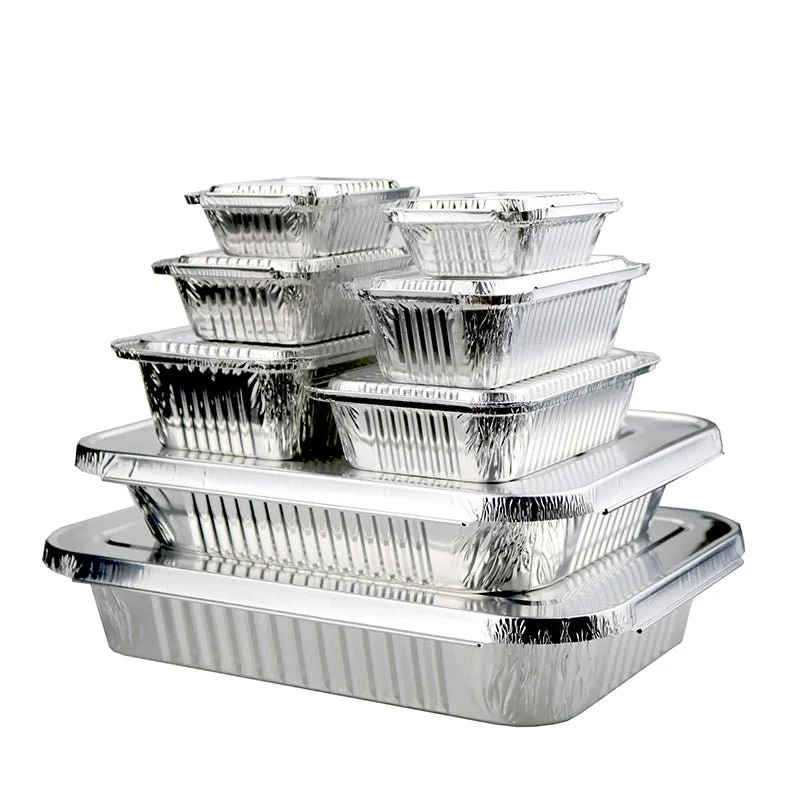
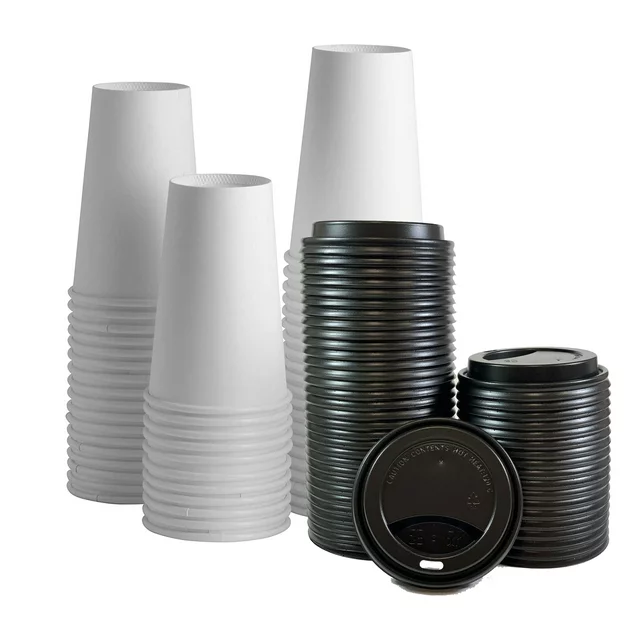
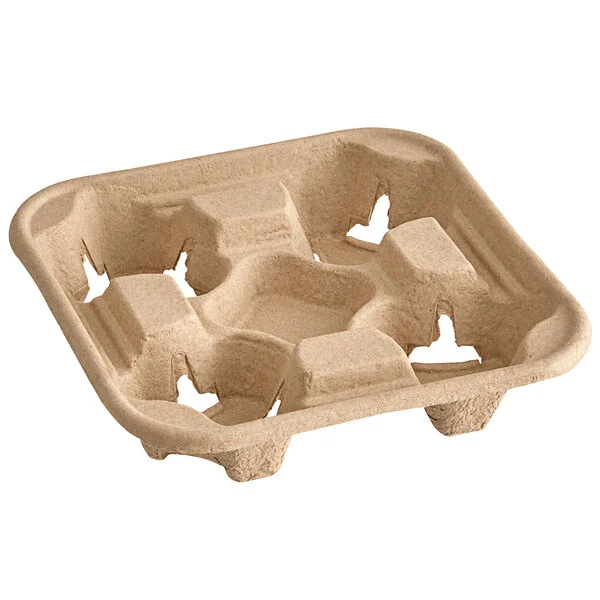


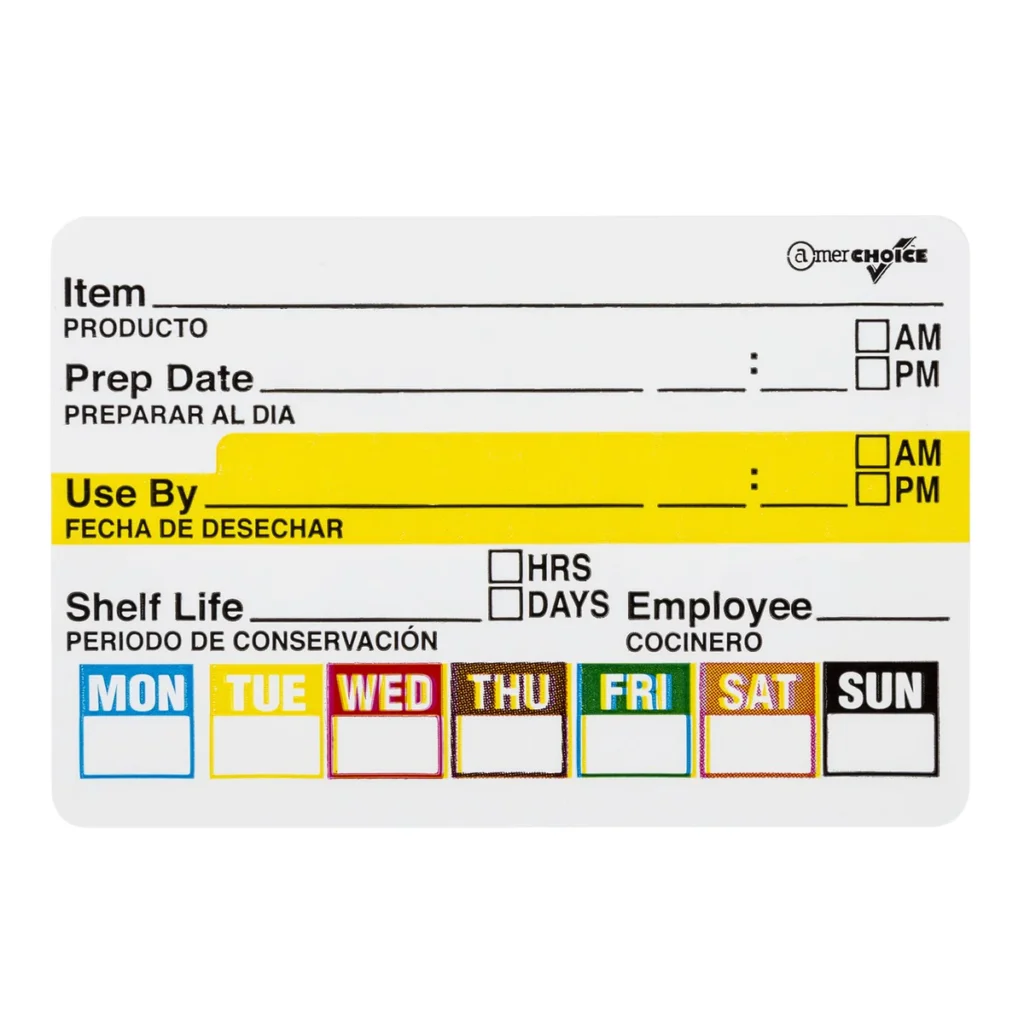




The best takeout containers for hot food are polypropylene (PP #5) plastic containers and aluminum foil containers. Both materials handle temperatures above 200°F without warping, leaking, or releasing harmful chemicals into food.
Polypropylene (PP #5) containers are the top choice for most restaurants because they are microwave safe, grease resistant, and come with secure snap-on lids that prevent spills during delivery. They’re available in 12 oz, 16 oz, 24 oz, and 32 oz sizes — the most popular for entrées, rice dishes, pasta, and stir-fry. EKKO’s microwavable containers are rated for temperatures up to 250°F and are FDA-compliant for direct food contact.
Aluminum foil containers are the best option for catering trays, baked dishes, and foods that go from oven to table. They conduct heat evenly, keep food warm longer, and are 100% recyclable. However, they cannot go in the microwave. For a deep dive on aluminum options, read our guide: Aluminum Foil Containers: The Complete Buying Guide.
Avoid EPS foam for hot foods above 185°F — it can warp and is banned in New York City, San Francisco, and dozens of other municipalities. For sustainable hot-food options, check out our Eco-Friendly Packaging FAQ.
👉 Shop now: Microwavable Containers | Aluminum Products | Takeout Boxes & Containers
No, aluminum foil containers are not microwave safe. Placing aluminum in a microwave can cause sparking (arcing), damage the appliance, and create a fire hazard. The FDA and USDA both advise against microwaving metal containers.
Aluminum foil reflects microwaves rather than allowing them to pass through to heat the food. This means food won’t heat evenly, and the sharp edges or crinkled foil can act as antennas that generate electrical sparks. If your customers need to reheat food at home, choose polypropylene (PP #5) microwavable containers instead — they’re specifically designed for microwave reheating and are clearly marked with the microwave-safe symbol.
Where aluminum foil containers excel is in conventional ovens, toaster ovens, and steam tables. EKKO’s aluminum foil pans and containers withstand temperatures up to 450°F, making them ideal for catering warmers, baking, and oven-to-table service. They’re also fully recyclable when rinsed clean. For a full breakdown of aluminum container sizes and uses, read our guide: Aluminum Foil Containers: The Complete Buying Guide.
EKKO carries a full range of aluminum foil containers — from half-size steam table pans to individual portion trays — in bulk at wholesale prices.
👉 Shop now: Aluminum Products | Microwavable Containers
Most restaurants use 16 oz, 24 oz, and 32 oz containers for standard entrées, with 8 oz and 12 oz sizes for sides, soups, and appetizers. The exact size depends on your cuisine type and average portion.
Here’s a practical sizing guide used across the food service industry:
- 8 oz (1 cup): Side sauces, small soups, coleslaw, single dips
- 12 oz (1.5 cups): Cup-size soups, small salads, rice sides
- 16 oz (1 pint): Standard single entrée, pasta, stir-fry, curry
- 24 oz (1.5 pints): Large entrées, combination meals, salad bowls
- 32 oz (1 quart): Family portions, large salads, poke bowls, noodle soups
- 64 oz+ (half gallon): Family-size soups, party platters, bulk catering
For sandwich-style takeout, most restaurants use hinged clamshell containers in 6”×6”, 8”×8”, or 9”×9” sizes. EKKO’s takeout boxes and containers come in all standard sizes with matching lids. For portion-based add-ons like dressings and sauces, see EKKO’s portion cups and lids.
Not sure how much to order? See our answer to How to calculate how many takeout containers a restaurant needs per week below, or read the full Complete Guide to Restaurant Takeout Packaging.
👉 Shop now: Food Packaging & Disposables | Portion Cups & Lids | Plates & Bowls
Foam (EPS/Styrofoam) containers are cheap and insulating but not eco-friendly, while paper containers are more sustainable but less moisture-resistant. The right choice depends on your budget, local regulations, and environmental goals.
Foam (Expanded Polystyrene / EPS): – Made from petroleum-based polystyrene (#6 plastic) – Excellent insulation — keeps hot food hot and cold food cold – Very lightweight and inexpensive ($0.04–$0.12 per unit) – Not microwave safe, not recyclable in most programs, and not compostable – Banned in New York City (Local Law 142), San Francisco, Washington DC, and 100+ U.S. cities – If you operate in NYC or another ban zone, you legally cannot use foam food containers
Paper / Paperboard Containers: – Typically made from virgin or recycled paperboard with a polyethylene (PE) or PLA lining for grease resistance – Microwave safe for short durations (under 2 minutes) – Compostable options available (look for BPI certification) – More expensive ($0.08–$0.30 per unit) but increasingly expected by customers – Better for brand image — printable and professional-looking
For the most eco-friendly upgrade from foam, consider sugarcane/bagasse containers from EKKO’s eco-friendly collection. They’re compostable, microwave safe, and grease resistant — solving the biggest weaknesses of both foam and paper. Learn more in our Eco-Friendly Packaging FAQ and our blog post How to Choose Eco-Friendly Food Packaging.
👉 Shop now: Eco-Friendly Packaging | Food Packaging & Disposables
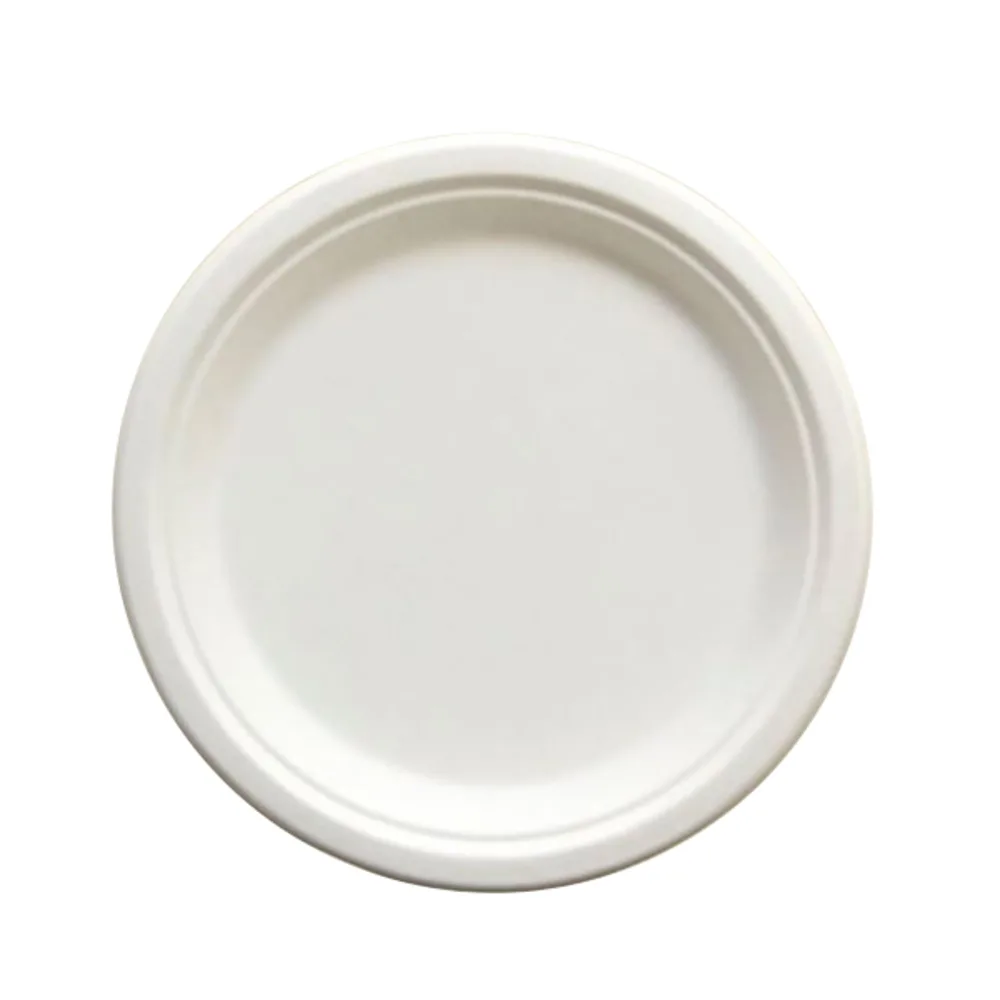
Choose disposable plates based on the food weight, serving style, and event formality. For heavy entrées, use 9–10 inch sturdy plates rated for at least 20 oz of food weight. For appetizers and desserts, 6–7 inch plates work best.
Follow these steps to choose the right catering plates:
- Determine your menu: Heavy foods like carved meats, pasta, or rice need rigid, high-rim plates. Light appetizers and desserts work on thinner plates.
- Match the plate size to the course: 6” plates for desserts/appetizers, 7” for salads, 9” for entrées, 10”+ for buffet-line entrées with sides.
- Choose the right material: Molded fiber or heavy-duty paper plates (coated) for casual events; premium sugarcane or palm leaf plates for upscale events; standard foam or plastic plates for budget-friendly service.
- Check grease and moisture resistance: Plates with PE or PLA coating won’t soak through from sauces or oily foods.
- Calculate quantity: Plan for 2–3 plates per guest (one entrée plate + one dessert/appetizer plate + one backup for seconds or drops).
EKKO’s plates and bowls collection includes foam, paper, and eco-friendly options in all standard catering sizes. Don’t forget cutlery and napkins — we cover napkin ordering quantities in question 10 below. For business-level ordering and budgeting tips, visit our Restaurant Business Operations FAQ.
👉 Shop now: Plates & Bowls | Cutlery | Napkins
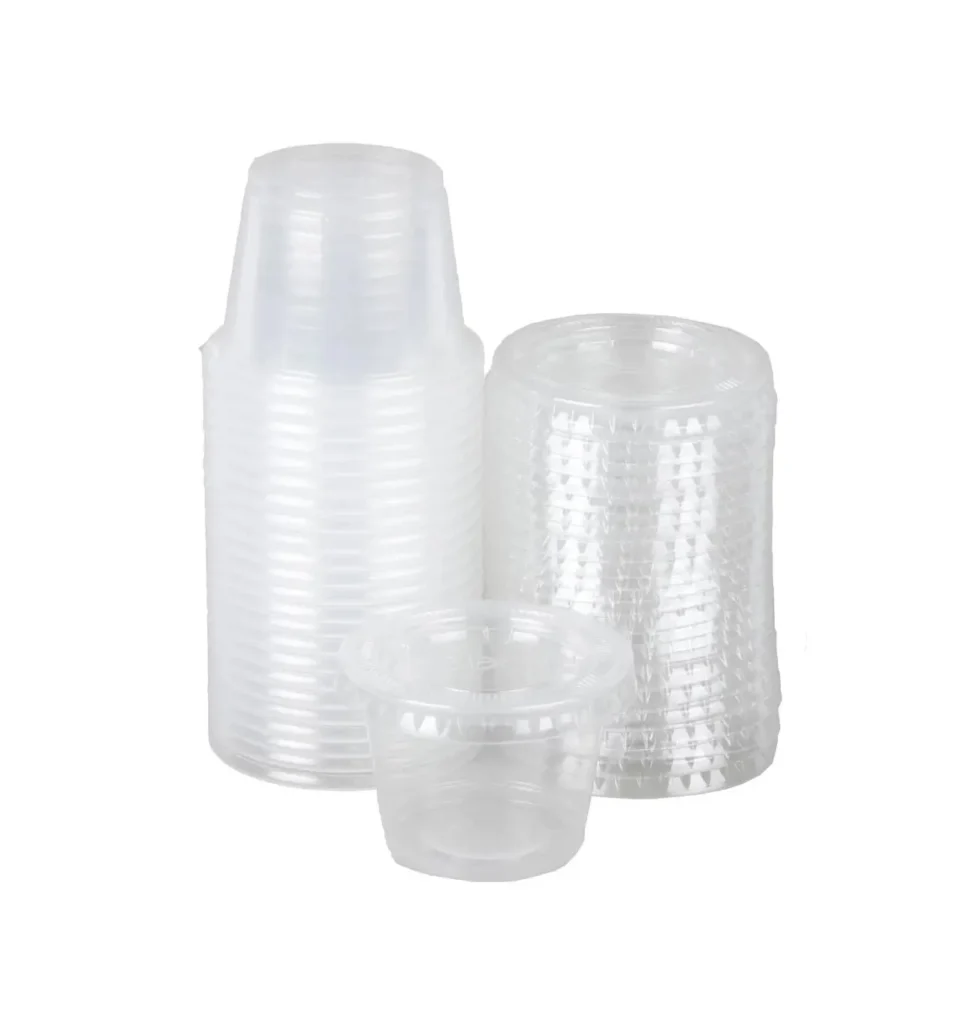
Portion cups are small containers (0.5 oz to 5.5 oz) used to serve sauces, condiments, dressings, and samples in controlled portions. They help restaurants reduce food waste, control costs, and maintain consistency across every plate.
Common uses for portion cups in food service:
- Sauces and dips: Ketchup, ranch, soy sauce, hot sauce, guacamole, salsa (1 oz–2 oz cups)
- Salad dressings: Side dressings for takeout salads (1.5 oz–3.25 oz cups)
- Samples: Taste samples at bakeries, ice cream shops, juice bars (0.5 oz–1 oz cups)
- Pill cups: Small portion cups double as medication cups in healthcare settings
- Jello and desserts: Pre-portioned jello, pudding, and fruit cups in cafeterias (3.25 oz–5.5 oz)
- Prep portions: Back-of-house mise en place for garnishes and pre-measured ingredients
The most popular sizes are 1 oz, 2 oz, and 3.25 oz with matching snap-on lids. EKKO’s portion cups and lids are available in clear plastic (PP or PET) for visibility, and they stack neatly to save storage space. For a full supply checklist, read our Complete Guide to Restaurant Takeout Packaging.
Portion cups are an often-overlooked cost control tool — a 2 oz cup holds exactly the right amount of dressing, preventing the “heavy pour” that can cost restaurants $2,000–$5,000 per year in wasted condiments. EKKO carries portion cups in bulk at wholesale prices, with cases of 2,500 available for high-volume operations.
👉 Shop now: Portion Cups & Lids | All Food Packaging
Yes — but only if the plastic is polypropylene (PP, recycling code #5). PP containers are FDA-approved for hot food contact up to 250°F and are the industry standard for microwavable takeout containers. Other plastics like PET (#1) and PS (#6) should not be used with hot food.
Here’s how common plastics perform with hot food:
| Plastic Type | Resin Code | Max Safe Temp | Hot Food Safe? | Notes |
| Polypropylene (PP) | #5 | 250°F (121°C) | ✅ Yes | Industry standard for hot takeout |
| PET (Polyethylene Terephthalate) | #1 | 145°F (63°C) | ❌ No | Cold food only — salads, fruit, deli |
| Polystyrene (PS) | #6 | 185°F (85°C) | ⚠️ Risky | Warps easily; banned in many cities |
| HDPE (High-Density Polyethylene) | #2 | 230°F (110°C) | ⚠️ Limited | Mainly used for bottles, not containers |
Always look for the microwave-safe symbol (three wavy lines) or the #5 PP recycling mark on the bottom of the container. FDA regulation 21 CFR 177.1520 governs which plastics are approved for food contact at specific temperatures.
EKKO’s microwavable containers are all PP #5, BPA-free, and rated for hot food service. They come in round, rectangular, and compartmented styles for different menu items. For details on protective equipment when handling hot containers, see our Gloves & Protective Equipment FAQ.
👉 Shop now: Microwavable Containers | Food Packaging & Disposables
Corrugated cardboard pizza boxes with ventilation holes keep pizza fresh the longest by allowing steam to escape while retaining heat. A standard B-flute corrugated box maintains pizza temperature for 20–30 minutes and prevents the crust from getting soggy.
The key factors that affect pizza freshness in a box:
- Ventilation holes: Small steam vents (usually 3–4 holes on the sides) release excess moisture that would otherwise condense on the lid and drip back onto the cheese, making it soggy. This is the single biggest factor in keeping takeout pizza crispy.
- Corrugation type: B-flute (1/8” thick) is the industry standard for pizza boxes. It balances insulation, strength, and cost. E-flute (1/16”) is thinner and used for personal-size pizzas.
- Grease resistance: Most pizza boxes use a clay coating or PE liner on the inside bottom panel to prevent grease from soaking through. Uncoated boxes develop visible grease stains within minutes.
- Proper sizing: A box that’s too large lets pizza slide around and cool faster. Standard sizes are 10”, 12”, 14”, 16”, and 18” — match the box to your pizza diameter.
EKKO’s pizza boxes are available in all standard sizes, made from corrugated B-flute cardboard with built-in ventilation. They’re white or kraft, stackable, and come in cases of 50. For complementary items, pair with napkins and portion cups for dipping sauces.
👉 Shop now: Pizza Boxes | Napkins | Portion Cups & Lids
For hot drinks, use double-wall paper cups or single-wall paper cups with sleeves. For cold drinks, use clear PET plastic cups. Using the wrong cup type can cause burns, leaks, or a poor customer experience.
Hot drink cups (coffee, tea, hot chocolate): – Material: Paper with a polyethylene (PE) interior lining to prevent leaking – Common sizes: 8 oz (small), 12 oz (medium), 16 oz (large), 20 oz (extra large) – Key feature: Double-wall or add a corrugated sleeve — single-wall paper cups conduct heat and can burn customers’ hands – Lids: Dome lids with a sip opening or flat lids; must fit snugly to prevent splashing – Industry standard: ASTM D6868 for compostable options; always FDA-compliant for food contact
Cold drink cups (iced coffee, smoothies, soda, water): – Material: Clear PET plastic for brand visibility, or wax-coated paper cups – Common sizes: 12 oz, 16 oz, 20 oz, 24 oz – Key feature: Clear cups let customers see the drink (important for colorful smoothies, iced lattes, bubble tea) – Lids: Flat lids with straw slots or dome lids for whipped cream and toppings
EKKO’s beverage cups and lids include both hot and cold options in all standard sizes. Don’t forget straws and cup carriers for multi-drink delivery orders. For eco-friendly cup alternatives (PLA-lined, compostable), visit our Eco-Friendly Packaging FAQ.
👉 Shop now: Beverage Cups & Lids | Straws | Cup Carriers
A typical restaurant serving 200 customers per day should order approximately 15,000–20,000 napkins per month. The standard industry estimate is 2.5–3.5 napkins per customer per meal, depending on the type of food served.
Here’s how to calculate your monthly napkin needs:
- Count your average daily customers (check your POS data for the last 3 months).
- Multiply by napkins per customer:
- Quick-service/fast food: 2–3 napkins per customer
- Casual dining: 3–4 napkins per customer
- BBQ, wings, ribs, or other messy food: 4–6 napkins per customer
- Fine dining: 1 cloth napkin (disposables for the bar/bathroom only)
- Multiply by 30 days for your monthly total.
- Add 15–20% buffer for spills, dispenser waste, and restroom napkins.
Example: A sandwich shop serving 150 customers/day × 3 napkins × 30 days = 13,500 napkins/month. Add 20% buffer = 16,200 napkins/month. Order in cases — most napkin cases hold 4,000–6,000 napkins, so you’d need about 3–4 cases per month.
EKKO’s napkins are available in beverage napkins (1-ply, for bars and coffee shops), lunch napkins (1-ply or 2-ply), and dinner napkins (2-ply or 3-ply, for restaurants). Buying in bulk through EKKO saves 20–40% compared to retail supply stores. For ordering tips and budgeting help, see our Restaurant Business Operations FAQ and the Restaurant Supply Ordering Guide.
👉 Shop now: Napkins | Browse All Disposables
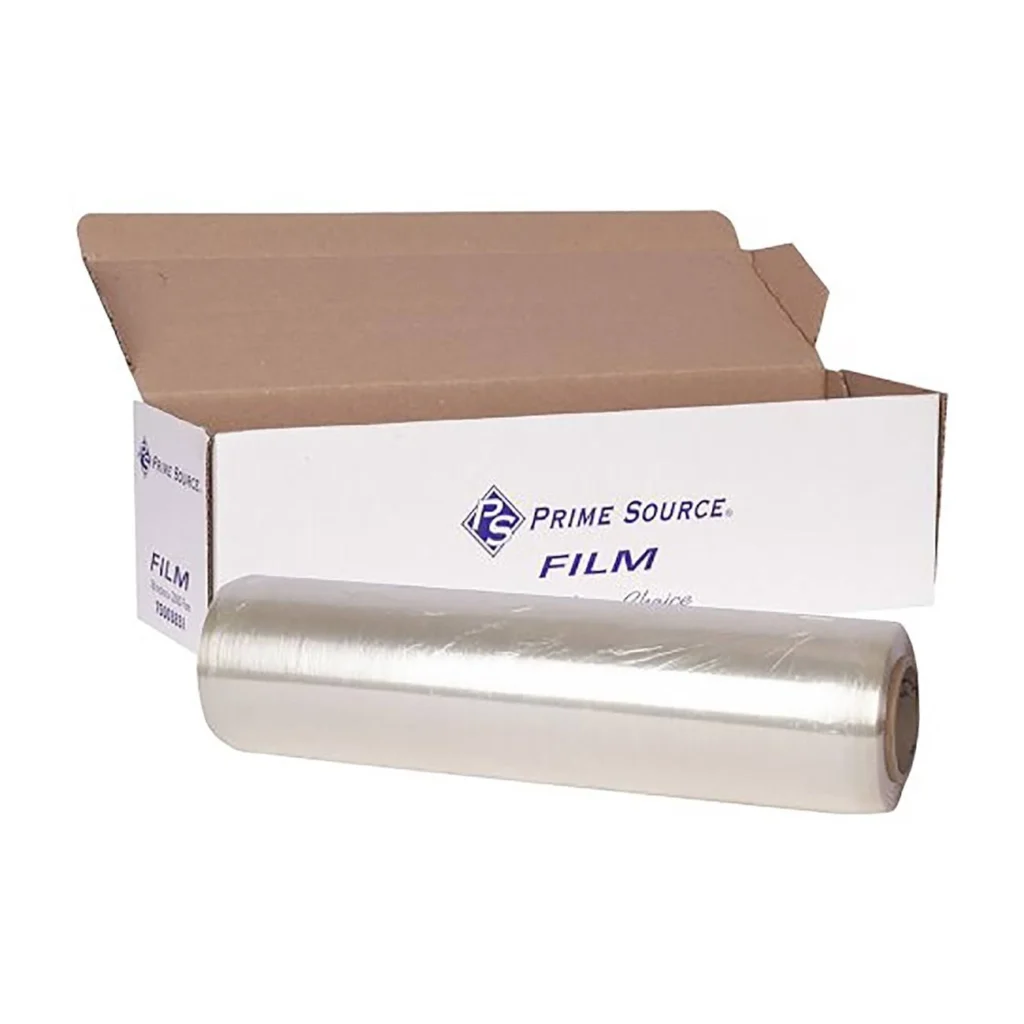
Cling film, food wrap, and plastic wrap are all the same product — a thin, stretchable plastic sheet used to cover and preserve food. The different names are regional: “cling film” is the British English term, “plastic wrap” is most common in the U.S., and “food wrap” is a general industry term.
All three refer to a thin (0.5–1 mil) polyvinyl chloride (PVC) or low-density polyethylene (LDPE) film that clings to smooth surfaces through static charge and light adhesive properties. In commercial food service, there are important distinctions in quality:
- Commercial-grade film wrap (used by restaurants): 12–18 inches wide, 1,000–3,000 ft per roll, heavier gauge (0.7–1.0 mil), stronger cling, comes in a cutter-box dispenser
- Retail plastic wrap (grocery store brands): 12 inches wide, 100–400 ft per roll, thinner gauge (0.5 mil), weaker cling
- PVC film: Stronger cling, better clarity, not microwave safe
- LDPE film: Microwave safe, less cling, preferred for food contact per FDA guidelines
For food safety, the FDA regulates plastic wrap under 21 CFR 177.1520. When microwaving, the wrap should not touch the food directly. EKKO’s film and wrap products include commercial-grade cling wrap in 12” and 18” widths, as well as aluminum foil rolls and parchment paper. For related food safety protocols, see our Cleaning & Safety Compliance FAQ.
👉 Shop now: Film & Wrap | Aluminum Products
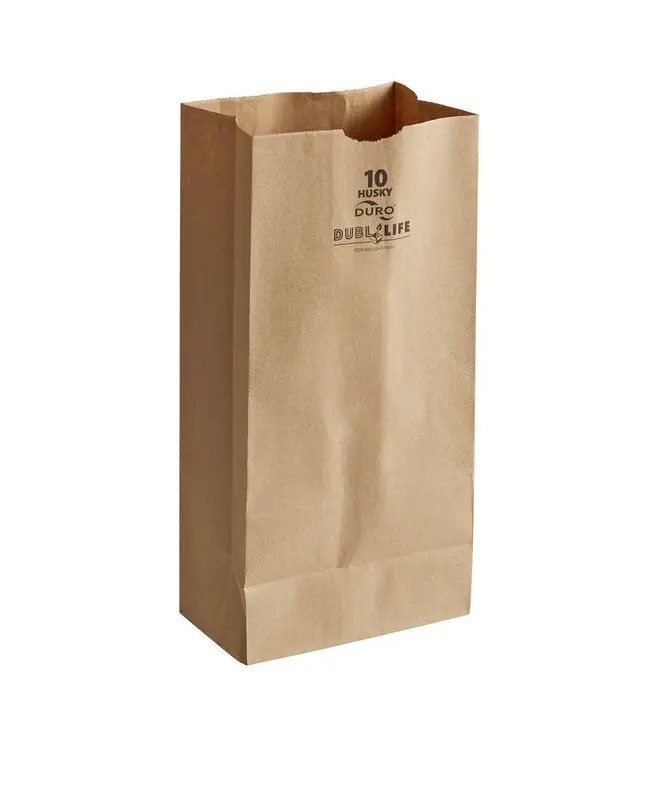
Most delis use 6”×6” or 6.5”×7” flat bags for standard sandwiches, and 5”×4”×18” or similar sub bags for long hoagies and heroes. Paper bags with a wax or grease-resistant lining are the industry standard for deli sandwiches.
Here are the most common deli bag sizes and their uses:
| Bag Size | Type | Best For |
| 6” × 6” | Flat paper | Half sandwiches, small wraps, pastries |
| 6” × ¾” × 7” | Flat paper (gusseted) | Standard deli sandwiches, bagels |
| 5” × 4” × 18” | Sub/hoagie bag | 12-inch subs, baguettes, long rolls |
| 8” × 4” × 10” | Paper bag with window | Display-friendly, bakery-deli crossover |
| 10” × 5” × 13” | Large deli bag | Double-stacked sandwiches, club sandwiches |
For greasy items like cheesesteaks and hot sandwiches, choose bags with a grease-resistant lining (wax-coated or poly-coated interior). Uncoated paper bags will soak through within minutes. EKKO’s food service bags include wax-lined, kraft, and grease-resistant options in all standard deli sizes.
For produce departments and grocery delis that also bag fruits and vegetables, check out EKKO’s produce bags — available in clear poly-on-a-roll format. For a more sustainable option, read our How to Choose Eco-Friendly Food Packaging blog post.
👉 Shop now: Food Service Bags | Produce Bags | Film & Wrap
Most delis use 6”×6” or 6.5”×7” flat bags for standard sandwiches, and 5”×4”×18” or similar sub bags for long hoagies and heroes. Paper bags with a wax or grease-resistant lining are the industry standard for deli sandwiches.
Here are the most common deli bag sizes and their uses:
| Bag Size | Type | Best For |
| 6” × 6” | Flat paper | Half sandwiches, small wraps, pastries |
| 6” × ¾” × 7” | Flat paper (gusseted) | Standard deli sandwiches, bagels |
| 5” × 4” × 18” | Sub/hoagie bag | 12-inch subs, baguettes, long rolls |
| 8” × 4” × 10” | Paper bag with window | Display-friendly, bakery-deli crossover |
| 10” × 5” × 13” | Large deli bag | Double-stacked sandwiches, club sandwiches |
For greasy items like cheesesteaks and hot sandwiches, choose bags with a grease-resistant lining (wax-coated or poly-coated interior). Uncoated paper bags will soak through within minutes. EKKO’s food service bags include wax-lined, kraft, and grease-resistant options in all standard deli sizes.
For produce departments and grocery delis that also bag fruits and vegetables, check out EKKO’s produce bags — available in clear poly-on-a-roll format. For a more sustainable option, read our How to Choose Eco-Friendly Food Packaging blog post.
👉 Shop now: Food Service Bags | Produce Bags | Film & Wrap
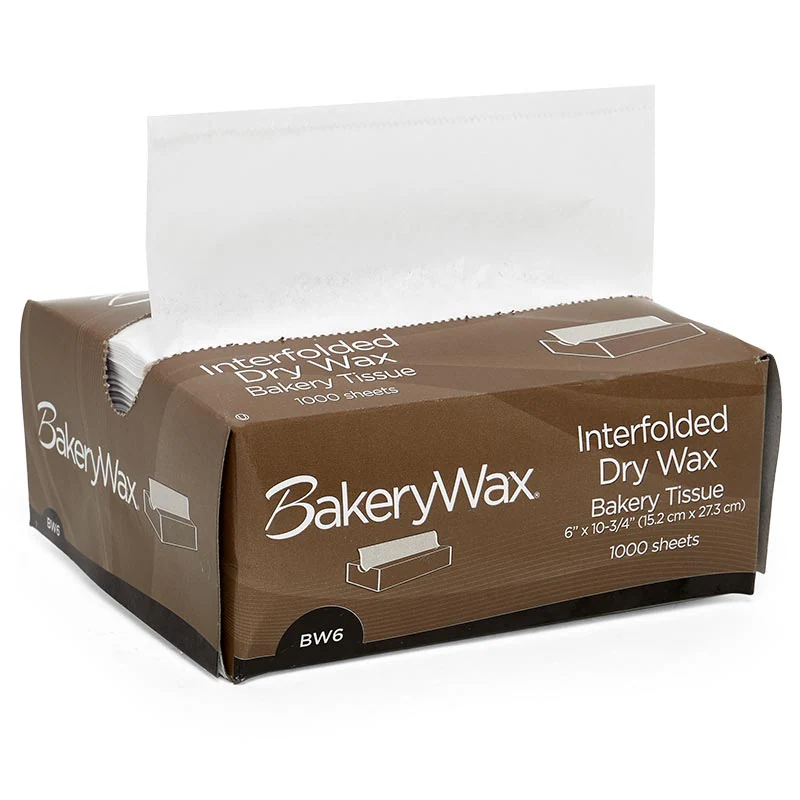
Yes, food-grade wax sheets (also called wax paper sheets or deli wax tissue) are FDA-approved for direct food contact. They are coated with food-safe paraffin or soy-based wax and are widely used in bakeries, delis, and restaurants to separate, wrap, and serve food.
Wax sheets are specifically covered under FDA regulation 21 CFR 178.3710 (wax coatings for food contact) and are considered GRAS (Generally Recognized As Safe). Common food service uses include:
- Bakeries: Separating cookies, pastries, and donuts in display cases; lining bread baskets; wrapping individual items
- Delis: Wrapping sandwiches and cheese; separating sliced meats in grab-and-go trays
- Burger restaurants: Lining burger baskets to catch grease
- Candy and confections: Wrapping caramels, fudge, and truffles
Important limitations: Wax sheets are not oven safe — the wax melts at approximately 150°F (65°C) and can smoke. They are also not microwave safe for extended durations. For oven use, switch to parchment paper (silicone-coated, oven-safe up to 450°F). EKKO’s film and wrap category includes both wax paper sheets and parchment sheets in standard 10”×10.75” deli interfolded sizes. For proper food safety handling procedures, check our Cleaning & Safety Compliance FAQ.
👉 Shop now: Film & Wrap | Food Service Bags
The best sushi containers for takeout are clear PET plastic trays with anti-fog lids. The transparency showcases the sushi’s presentation — a key selling point — while the anti-fog design prevents condensation from hiding the food during refrigerated transport.
When choosing sushi containers, focus on these features:
- Material: PET (#1) plastic — crystal clear, rigid, and recyclable. Avoid PP for sushi since it’s less transparent.
- Anti-fog lids: Treated lids prevent condensation buildup when sushi moves from refrigerator to room temperature. This is a must for delivery and grab-and-go displays.
- Compartmented trays: Trays with built-in dividers keep rolls from touching each other, maintaining presentation. Look for trays with a separate sauce compartment or pair with portion cups for soy sauce and wasabi.
- Standard sizes: Small (5”×7”) for 6–8 pieces, medium (7”×9”) for 12–16 pieces, large (9”×11”) for platters and party trays.
- Black base + clear lid: The most popular style in the sushi industry. The black tray provides visual contrast that makes fish colors pop, while the clear lid displays the contents attractively.
EKKO’s sushi containers include all standard sizes with anti-fog lids, plus sushi trays designed for poke bowls and sashimi platters. For chopsticks and small utensils, check EKKO’s cutlery selection. For branding your sushi containers, add custom labels.
EKKO carries premium sushi containers in bulk at wholesale prices, with free delivery in the NYC metro area. Contact us for volume pricing.
👉 Shop now: Sushi Containers | Portion Cups & Lids | Cutlery
Multiply your average daily takeout orders by the number of containers per order, then multiply by 7 days. Most restaurants use 1.5–2.5 containers per takeout order (one entrée container plus sides and sauces).
Follow this step-by-step formula:
- Find your daily takeout order count. Check your POS system or third-party delivery app dashboards (DoorDash, Uber Eats, Grubhub) for the last 4 weeks. Add in-store takeout pickups and phone orders.
- Estimate containers per order:
- Simple (1 entrée only): 1 container + 1 lid
- Standard (entrée + side): 2 containers + 2 lids
- Complex (entrée + side + soup + sauce): 3–4 containers + portion cups
- Multiply: Daily orders × containers per order × 7 days = weekly container need
- Add a 15% buffer for spills, defects, and unexpected busy days
- Round up to the nearest case — containers are sold in cases of 150–500 depending on size
Example calculation: A restaurant averaging 80 takeout orders/day with 2 containers per order: 80 orders × 2 containers × 7 days = 1,120 containers/week Add 15% buffer = 1,288 containers/week If cases hold 250 containers, order 6 cases per week (1,500 total).
Don’t forget to account for seasonal spikes — takeout orders typically increase 25–40% during holidays, bad weather, and major sporting events. For full supply planning, read our Restaurant Supply Ordering Guide and visit our Restaurant Business Operations FAQ for budgeting tips.
EKKO offers bulk wholesale pricing on all food packaging and disposables, with same-day delivery available in the NYC metro area. Contact us for a custom quote based on your weekly volume.
👉 Shop now: All Food Packaging & Disposables | Shop EKKO | Contact for Bulk Pricing